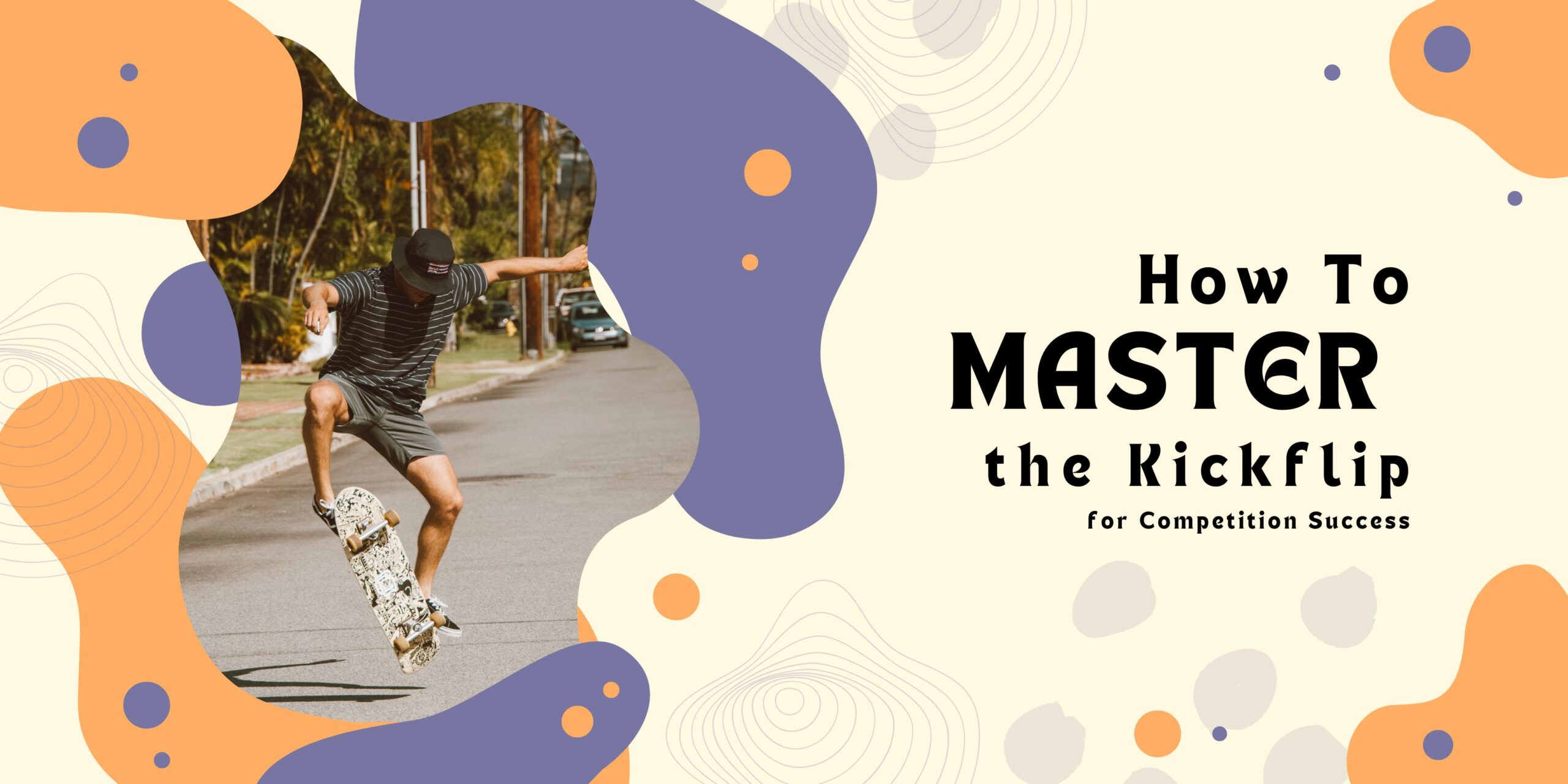
Mastering the kickflip is a crucial milestone in any competitive skateboarder’s journey. As highlighted in our complete beginner’s guide to competitive skateboarding, this fundamental trick serves as a gateway to more advanced maneuvers. Let’s break down the perfect competition-ready kickflip into manageable steps.
Prerequisites
Before attempting kickflips, ensure you:
- Have a solid ollie technique
- Are comfortable riding your board
- Have completed your essential warmup exercises to prevent injury
- Are wearing appropriate safety gear
The Perfect Setup
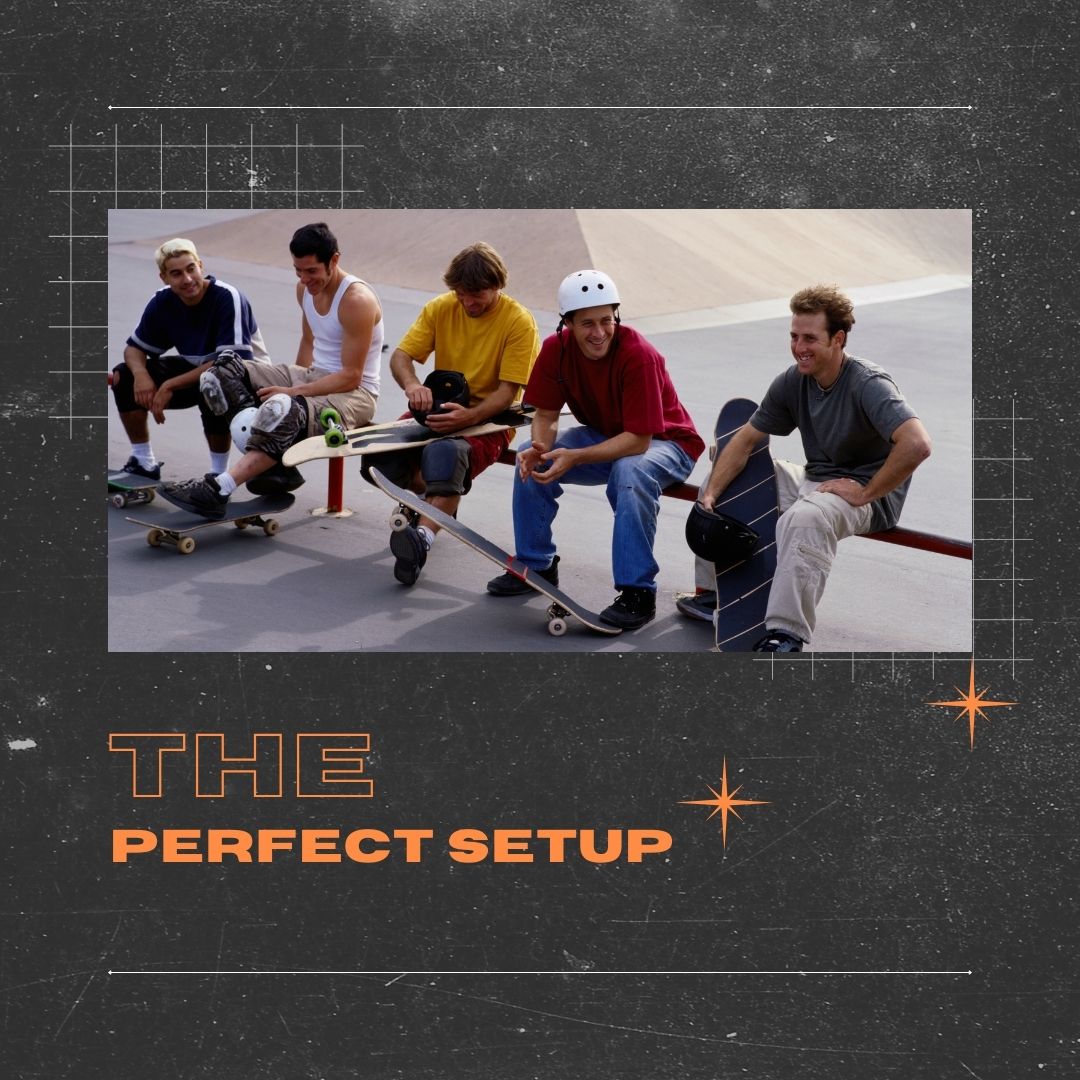
Board Configuration
- Deck width: 8.0″-8.25″ recommended
- Medium-tight trucks
- Wheels: 52-54mm, 99a durometer
- Fresh grip tape for optimal flick
Stance Preparation
- Front foot positioned just behind front truck bolts
- Angle front foot at 45 degrees
- Back foot centered on tail
- Shoulders parallel to board
Breaking Down the Kickflip
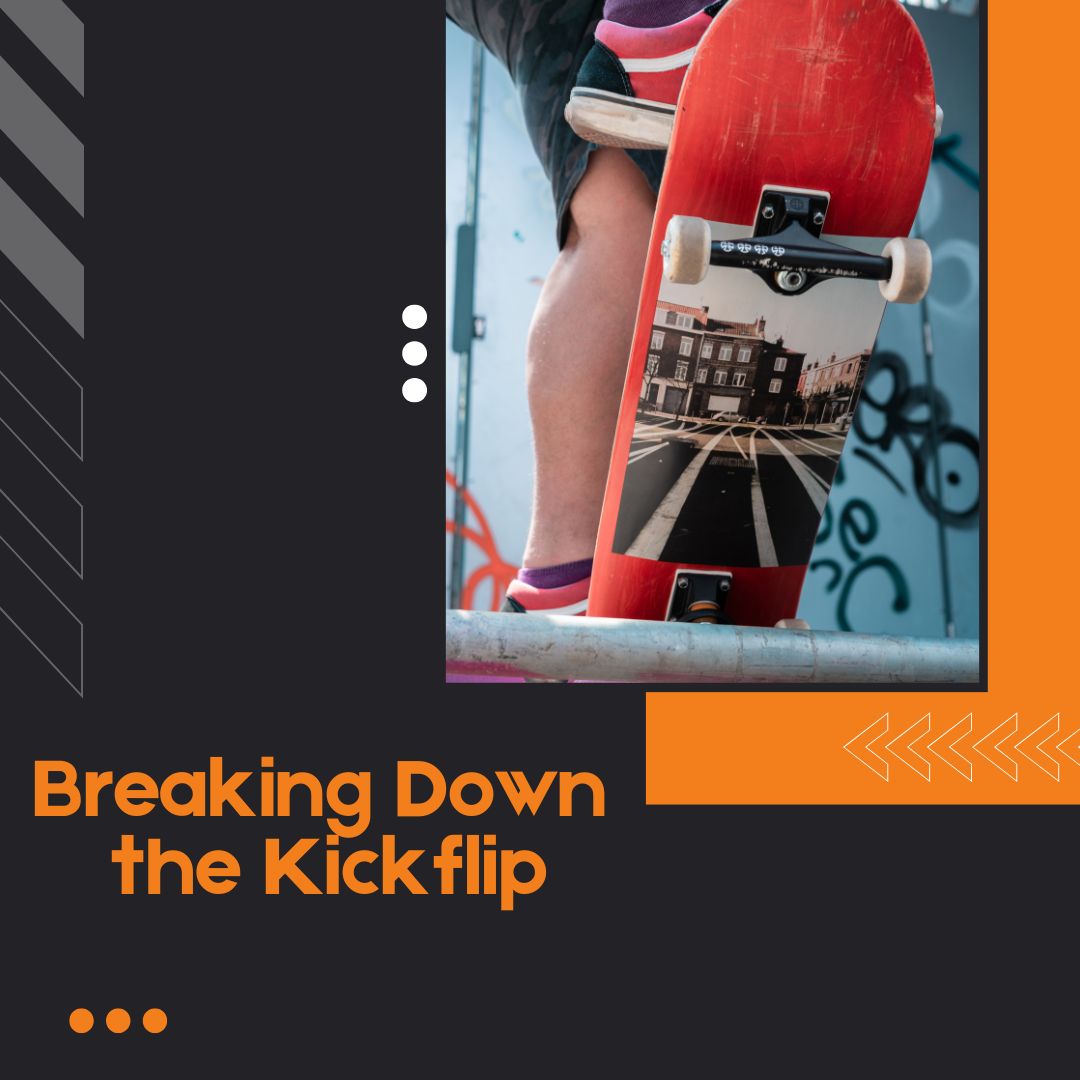
Phase 1: The Pop
- Push down on tail with back foot
- Keep weight centered
- Use ankle snap for clean pop
- Maintain straight shoulders
Phase 2: The Flick
- Slide front foot up at angle
- Flick off front corner of nose
- Keep shoulders level
- Time flick with peak of pop
Phase 3: The Catch
- Keep eyes on board
- Bend knees for absorption
- Catch with both feet
- Land bolts for stability
Common Mistakes and Solutions
Rotation Issues
- Problem: Board spins frontside/backside
- Solution: Keep shoulders parallel
- Practice: Try stationary flicks
Rocket Flips
- Problem: Board flips nose-high
- Solution: Adjust front foot position
- Focus: Level out the pop
Landing Problems
- Problem: Landing one-footed
- Solution: Practice catching with both feet
- Tip: Try landing with front foot first
Competition-Specific Tips

Height Control
- Master different pop heights
- Practice consistent catch points
- Develop muscle memory
- Control speed variations
Style Enhancement
- Clean rotation
- Smooth catch
- Level board flight
- Solid landing
Progressive Practice Plan
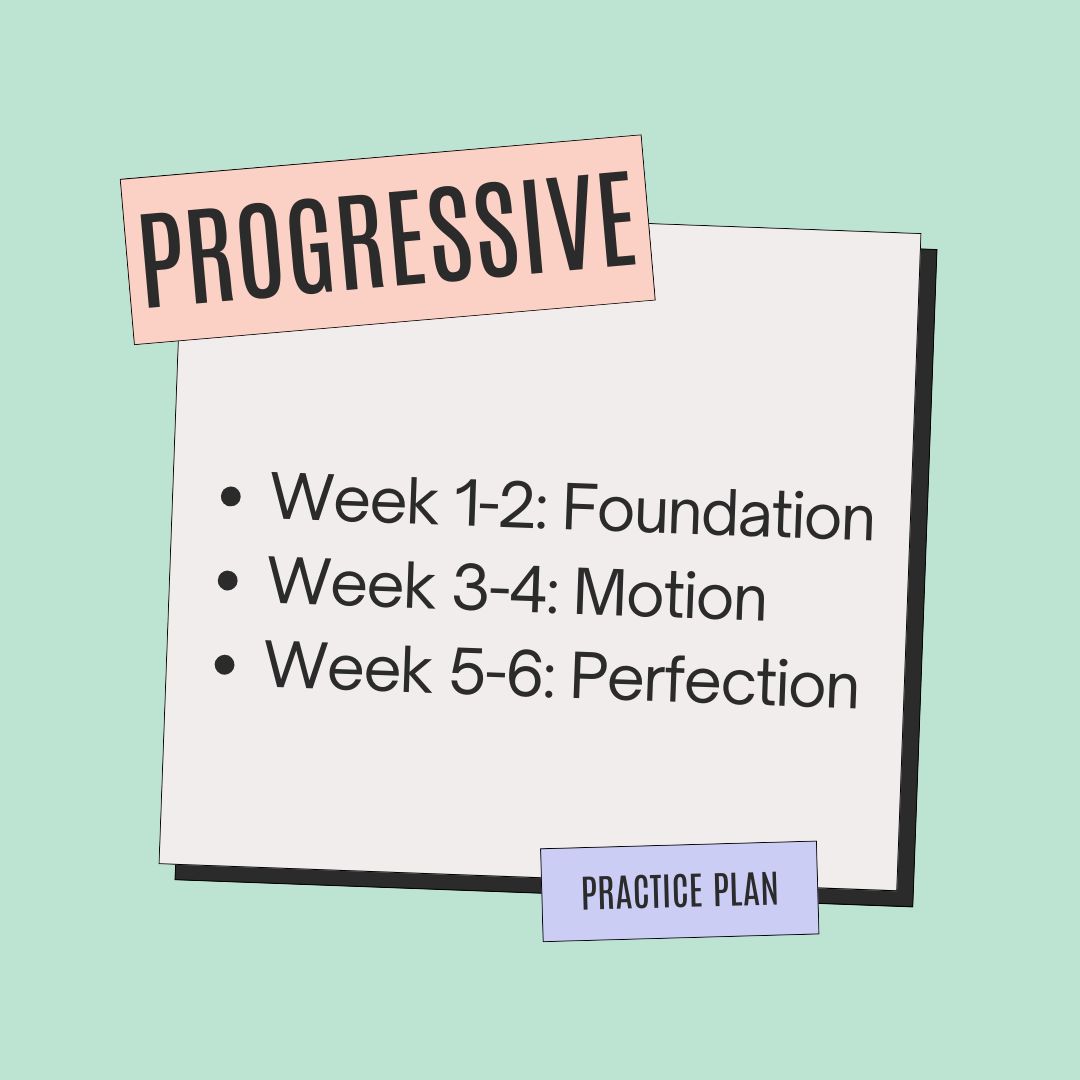
Week 1-2: Foundation
- Practice stationary flicks
- Focus on foot positioning
- Master the pop timing
- Build confidence
Week 3-4: Motion
- Rolling kickflips
- Speed variations
- Different terrain practice
- Landing consistency
Week 5-6: Perfection
- Style refinement
- Height control
- Clean execution
- Competition prep
Competition Integration

When to Use Kickflips
- Opening tricks
- Combo connectors
- Line finishers
- Feature tricks
Scoring Considerations
- Clean execution
- Height control
- Style points
- Landing stability
Advanced Variations
Once Mastered, Progress To:
- Double kickflips
- Kickflip late flips
- Kickflip body varials
- Kickflip down gaps
Training Regimen
Daily Practice
- 50 regular kickflips
- 25 moving kickflips
- 10 high kickflips
- 15 speed variations
Weekly Goals
- Increase consistency
- Improve height control
- Perfect landing technique
- Style enhancement
Safety Considerations
Injury Prevention
- Proper stretching
- Gradual progression
- Rest between sessions
- Listen to your body
Equipment Checks
- Grip tape condition
- Board wear
- Shoe condition
- Safety gear integrity
Mental Approach
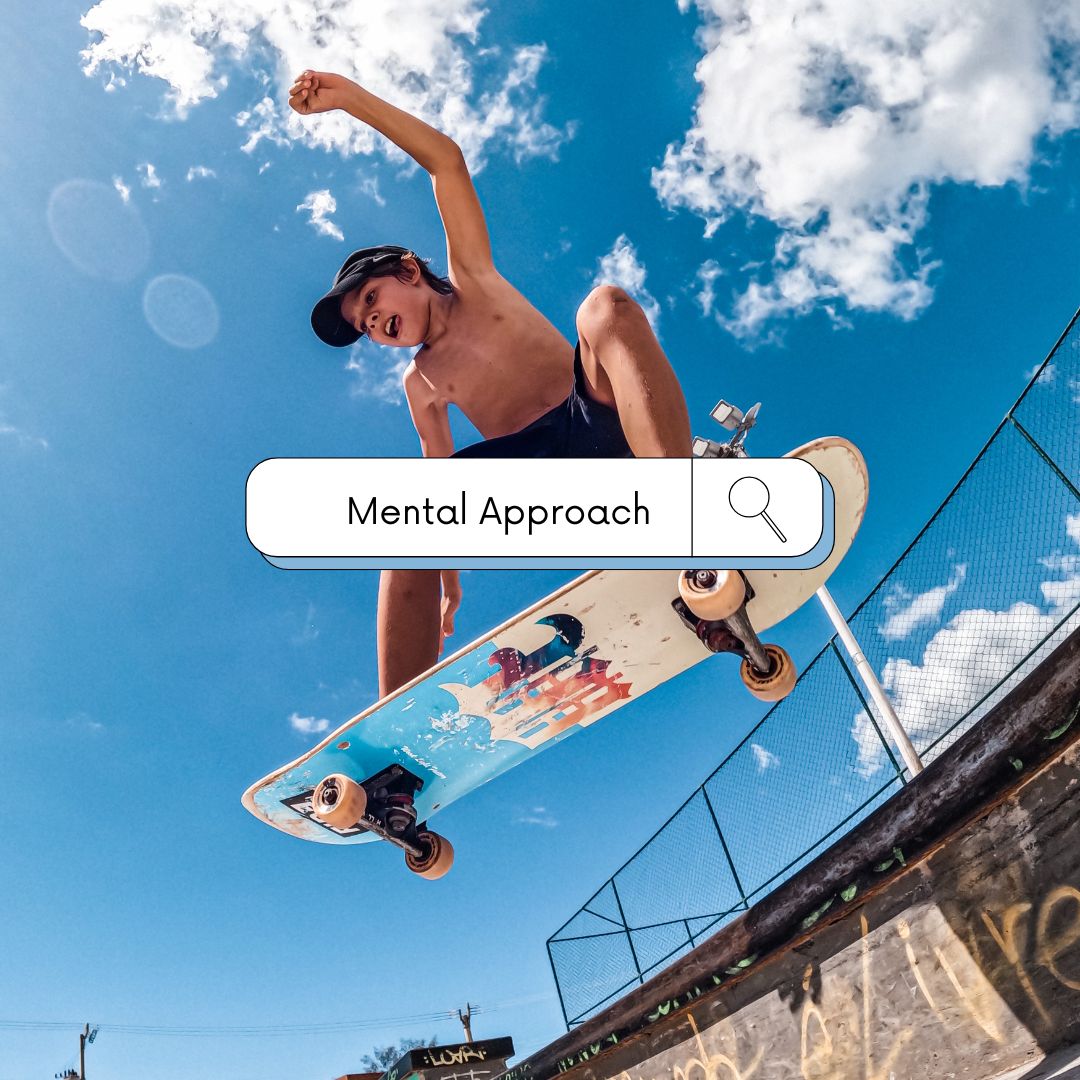
Visualization Techniques
- Mental rehearsal
- Success imagery
- Confidence building
- Competition preparation
Focus Points
- Clean execution
- Body awareness
- Landing preparation
- Flow maintenance
Competition Preparation
Pre-Competition Practice
- Consistent repetition
- Style refinement
- Landing stability
- Speed control
Competition Day Tips
- Warm-up properly
- Start with basics
- Build confidence
- Execute cleanly
Troubleshooting Guide
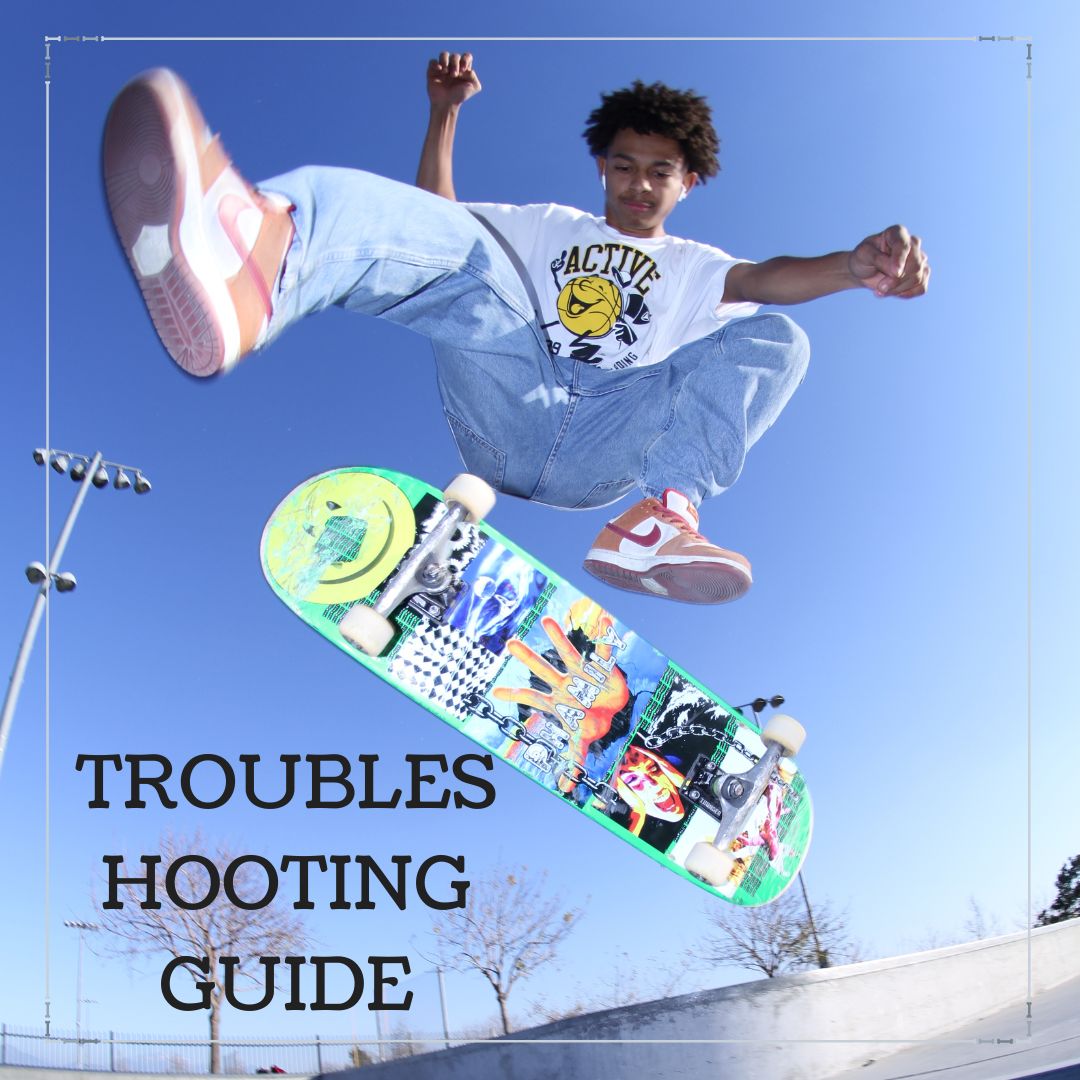
Board Not Flipping
- Check foot position
- Analyze flick timing
- Adjust pop height
- Review shoulder alignment
Over-Rotation
- Control flick power
- Check foot angle
- Maintain balance
- Practice catch timing
Conclusion
Mastering the kickflip for competition requires dedication, patience, and proper technique. Remember that every professional started with the basics. Focus on clean execution, consistent practice, and gradual progression. With time and dedication, you’ll develop a competition-ready kickflip that serves as a foundation for more advanced tricks.
Additional Resources
- Video tutorials
- Slow-motion analysis
- Pro technique breakdowns
- Practice drills
Remember: Success in competitive skateboarding comes from mastering the fundamentals before progressing to more complex variations.