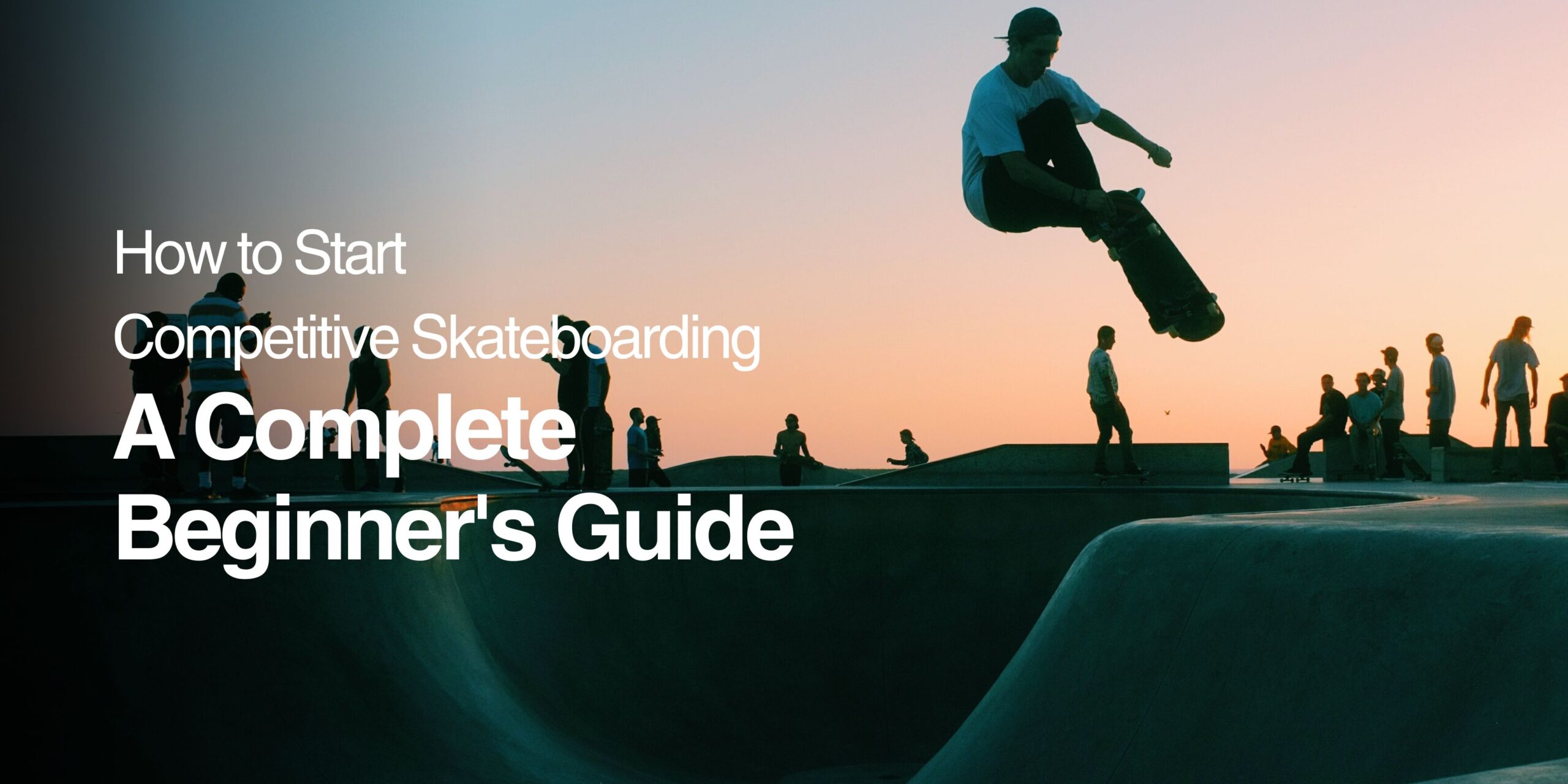
The world of competitive skateboarding offers an exhilarating journey that combines athletic prowess, creative expression, and community connection. Whether you’re a casual skater looking to test your skills or someone drawn to the competitive spirit of the sport, this comprehensive guide will help you navigate your path into competitive skateboarding.
Getting Started: The Foundation
Before diving into complex tricks and competition strategies, it’s crucial to establish a solid foundation. Our essential warmup guide outlines the critical exercises you need to prevent injury and prepare your body for intense training sessions. These warmups aren’t just about physical preparation – they’re your first step toward competitive success.
Essential Equipment
Your journey begins with selecting the right equipment:
- Competition-Grade Deck
- Width: 8.0″ to 8.5″ for all-around performance
- Material: 7-ply maple for durability
- Consider your height and shoe size when selecting width
- High-Performance Trucks
- Independent or Thunder are preferred brands
- Must match your deck width
- Medium to high tension for stability
- Competition Wheels
- Size: 52-54mm for versatility
- Durometer: 99a-101a for optimal speed and control
- Quality bearings (ABEC 7 or higher)
Mastering the Fundamentals
Success in competition requires mastering fundamental techniques. The foundation of your competitive career lies in perfecting basic tricks before advancing to more complex maneuvers. Our comprehensive kickflip tutorial provides detailed instructions on mastering this essential trick, which serves as a gateway to more advanced techniques.
Basic Trick Progression
- Ollie Mastery
- Perfect form
- Consistent height
- Various speeds and conditions
- Flip Tricks Foundation
- Kickflips
- Heelflips
- Pop Shuvits
- Grind Basics
- 50-50 grinds
- 5-0 grinds
- Board slides
Competition Categories and Formats
Understanding different competition formats is crucial for success:
Street Competition
Street skateboarding competitions focus on technical tricks performed on obstacles that mirror urban environments. The influence of street style extends beyond just tricks – it’s a cultural phenomenon that shapes how skaters approach competition.
Key Elements:
- Rails
- Stairs
- Gaps
- Manual pads
- Ledges
Park Competition
Park competitions take place in specially designed courses featuring transitions, quarters, and bowls.
Features Include:
- Quarter pipes
- Spine ramps
- Hip transfers
- Bowl corners
- Pyramid sections
Training for Success
Physical Conditioning
Develop a comprehensive training routine:
- Strength Training
- Core exercises
- Leg power development
- Upper body stability work
- Flexibility
- Dynamic stretching
- Yoga for skaters
- Mobility work
- Endurance
- Cardio sessions
- High-intensity interval training
- Extended skating sessions
Mental Preparation
Competition success requires strong mental preparation:
- Visualization Techniques
- Run visualization
- Trick sequence mental practice
- Competition scenario preparation
- Pressure Management
- Breathing exercises
- Focus techniques
- Pre-competition routines
Competition Day Strategy
Before Your Run
- Warm-Up Routine
- Light cardio
- Dynamic stretching
- Basic trick confirmation
- Course Analysis
- Identify optimal lines
- Note obstacle conditions
- Plan backup sequences
During Competition
- Run Execution
- Start with confidence builders
- Progress in difficulty
- Save energy for final tricks
- Between Attempts
- Quick recovery techniques
- Mental reset strategies
- Equipment checks
Advancing Your Career
Progression Path
- Local Competitions
- Begin with small local events
- Focus on consistency
- Build community connections
- Regional Events
- Expand your competition circle
- Learn from diverse styles
- Build your reputation
- National Circuit
- Professional networking
- Sponsorship opportunities
- Higher stakes competition
Building Your Support Network

Success in competitive skateboarding rarely comes alone. Build your support network:
- Find a Mentor
- Experienced competitors
- Local pros
- Respected coaches
- Join Training Groups
- Local skate teams
- Training camps
- Online communities
Conclusion
Starting your journey in competitive skateboarding requires dedication, patience, and strategic planning. Remember that every professional started as a beginner, and consistent practice combined with proper guidance will help you progress. Focus on building strong foundations, maintain a regular training schedule, and immerse yourself in the skateboarding community.
Additional Resources
- Local skate shop connections
- Online training programs
- Competition calendars
- Skateboarding associations
Remember, competitive skateboarding is as much about personal growth as it is about winning. Stay focused on your progression, learn from every experience, and most importantly, maintain your passion for skating.
Note: This guide is regularly updated to reflect current competition standards and best practices in competitive skateboarding.